
The Siege Community
The King in YellowThis flow traces the artistic community of Paris through bombardment, hunger, mutual aid, and the return of the surviving army.
increasing Bearing strength in each event
 decreasing
Bearing strength in each eventdecreasingShellbound Household
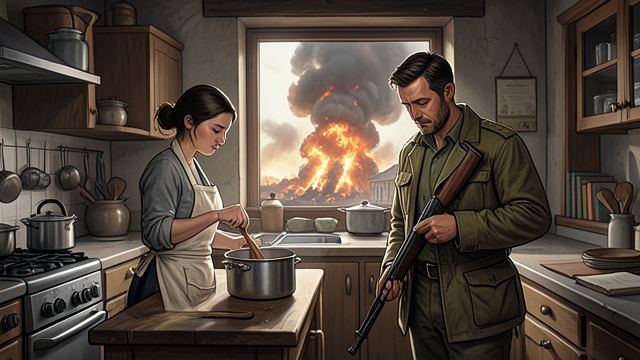
Shellbound Household
Jack Trent and Sylvia Trent endure shellfire in their room on Street of the First Shell.
Domestic Courage
Small acts of cooking, sewing, and reassurance oppose the vastness of war.
Encroaching Danger
The shells turn private space into a temporary shelter rather than a home.
Ration Economy
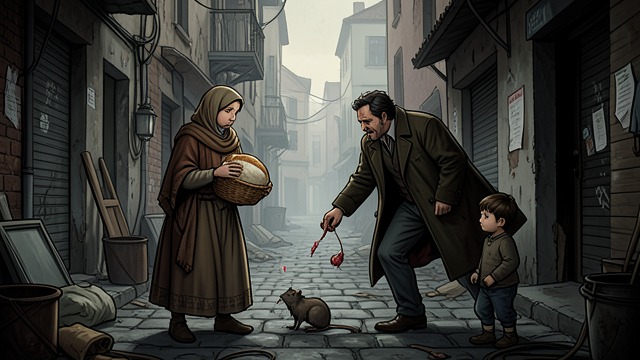
Ration Economy
Artists barter, steal, and share scarce food across Paris.
Hunger's Distortion
Rats, stale bread, and stolen chicken become measures of social morality.
Unequal Burden
The wealthy are judged not merely for possession but for refusing communal responsibility.
Artist Solidarity
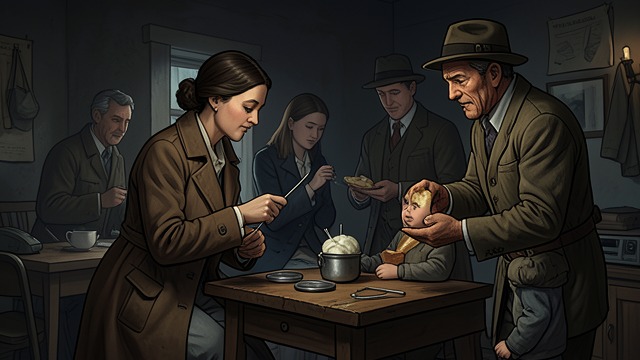
Artist Solidarity
West, Braith, Fallowby, Colette (Paris siege), and Jack Trent sustain one another through money and practical aid.
Chosen Family
Their friendships substitute for institutions weakened by war.
Moral Testing
Every gift asks whether generosity can survive resentment, pride, and fear.
False Army Signals
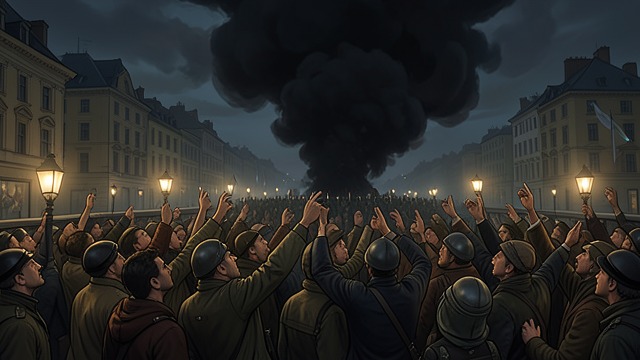
False Army Signals
Crowds gather on the bridge waiting for signs that the Army of the Loire is approaching.
Hope as Survival
The rumor briefly gives starving Parisians a future beyond the siege.
Collective Delusion
The crowd's willingness to believe exposes how desperation turns uncertainty into faith.
Ruined Return
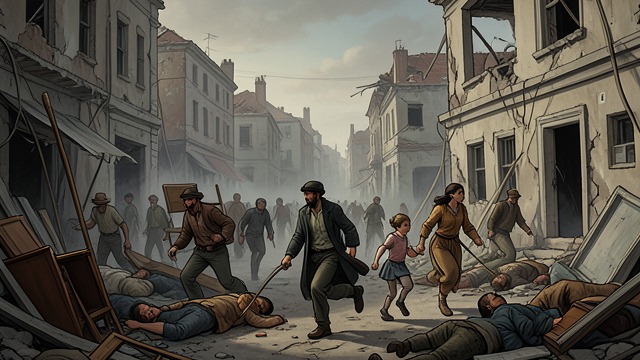
Ruined Return
Survivors stream back through Paris while shells destroy the Latin Quarter.
Public Catastrophe
The city becomes a landscape of dead civilians, broken homes, and pillagers.
Private Reunion
Jack Trent returns to Sylvia Trent and the child within the broader wreckage.
Early winter during the Siege of Paris
During the harshest hunger
Before the sortie
The night before the sortie
After the sortie and bombardment
